Built and shipped, not proposed.
Everything below is out and running: on the App Store, on GitHub, in the Chrome Web Store. Ask me to build something and it costs, and it ends up yours. What I release, I release free.
The work
HorseDex
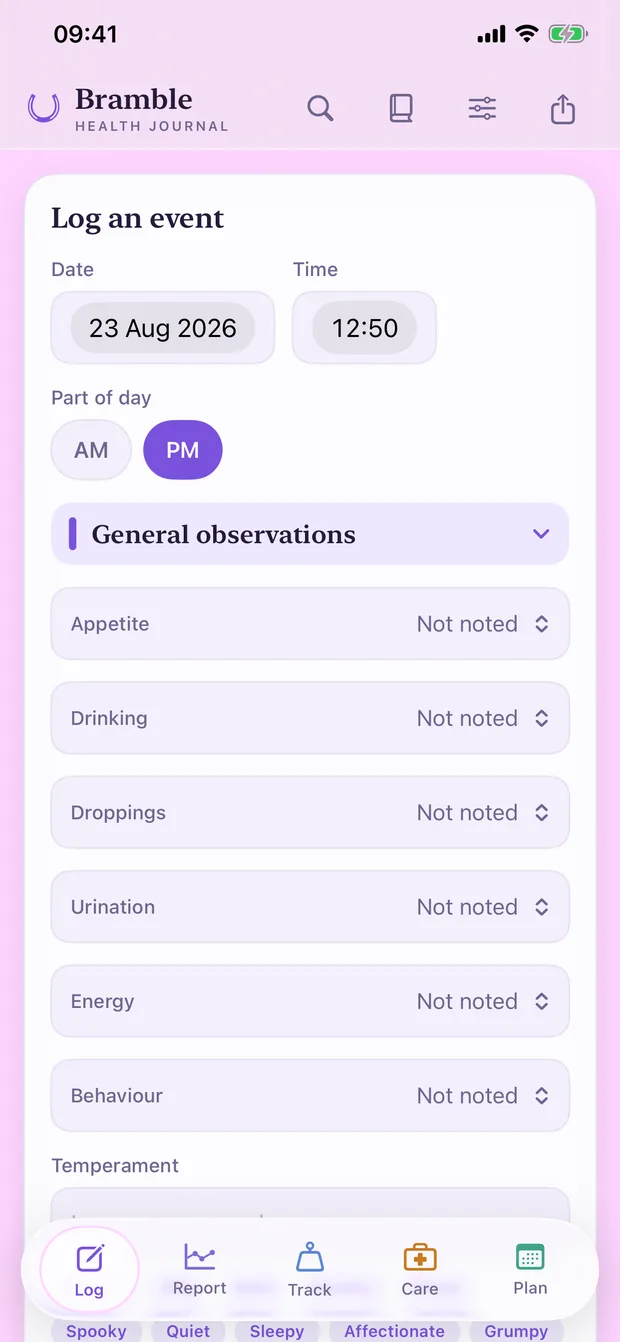
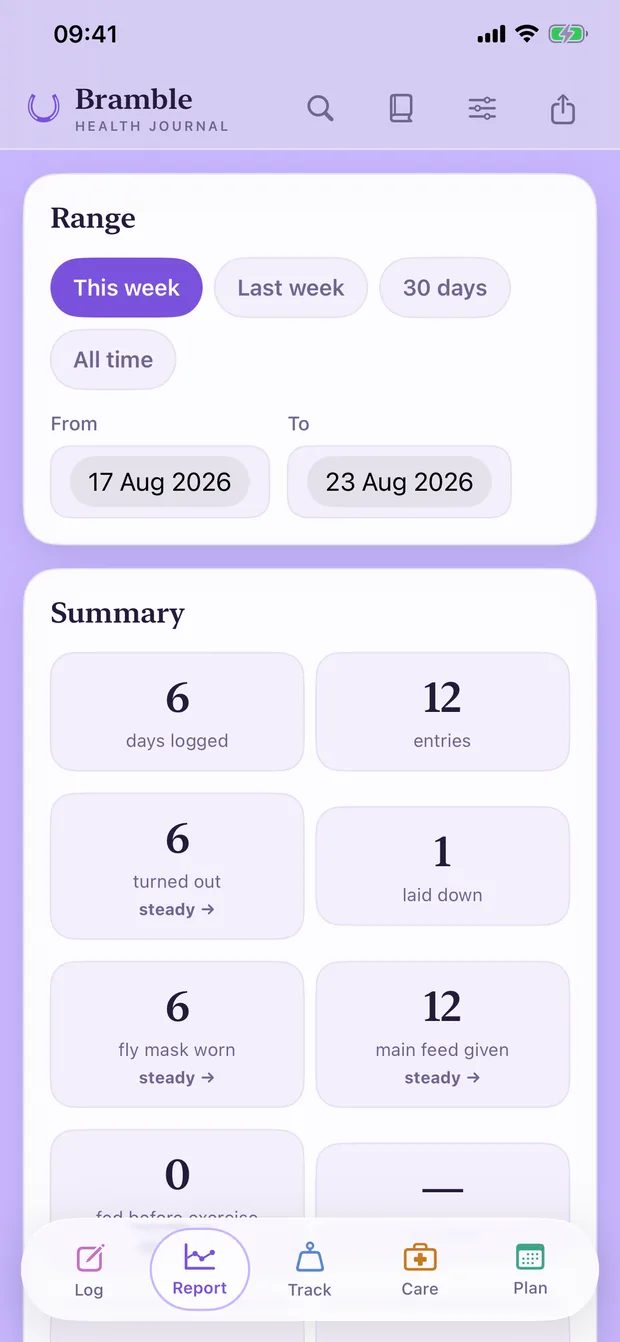
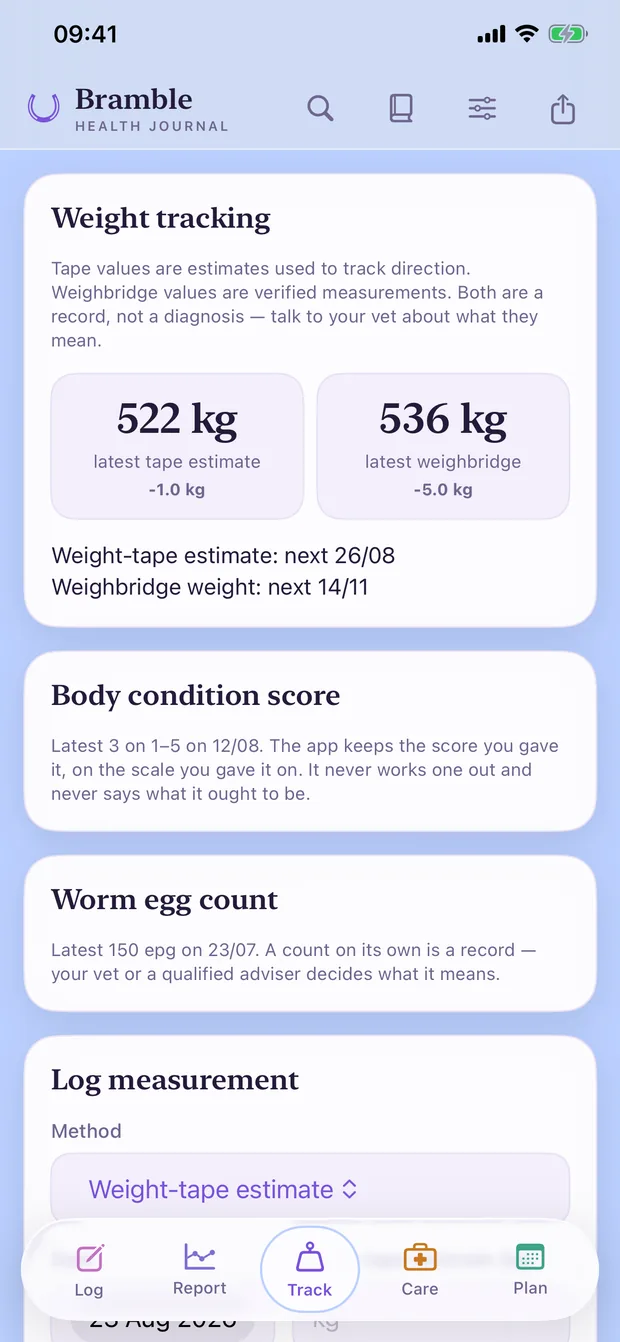
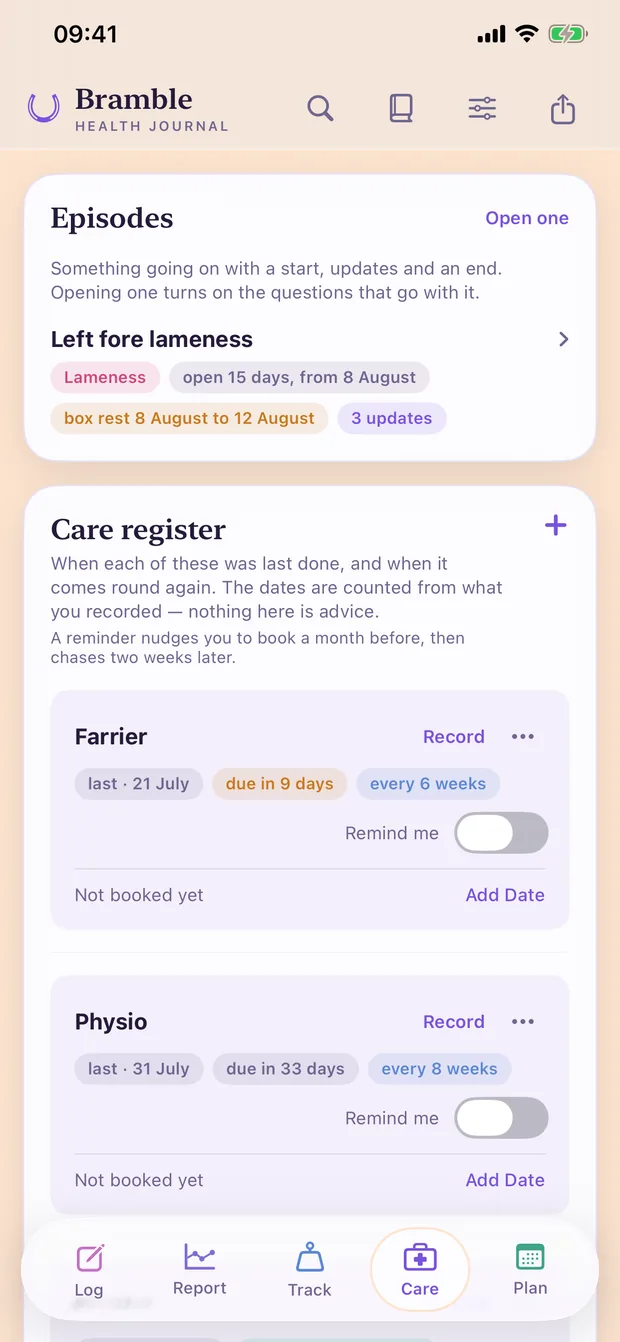
A health journal for a horse. You write down what you did and what you saw; it keeps the record and shows it back to you over time, for one horse or for several. Built for one person to begin with, then rebuilt so anyone could use it, and released free on the App Store.
- No account to create and no server of mine — the records stay on your devices and in your own iCloud
- Free on the App Store, because I chose to release it
- Out since 26 August 2026, for iPhone, iPad and Mac
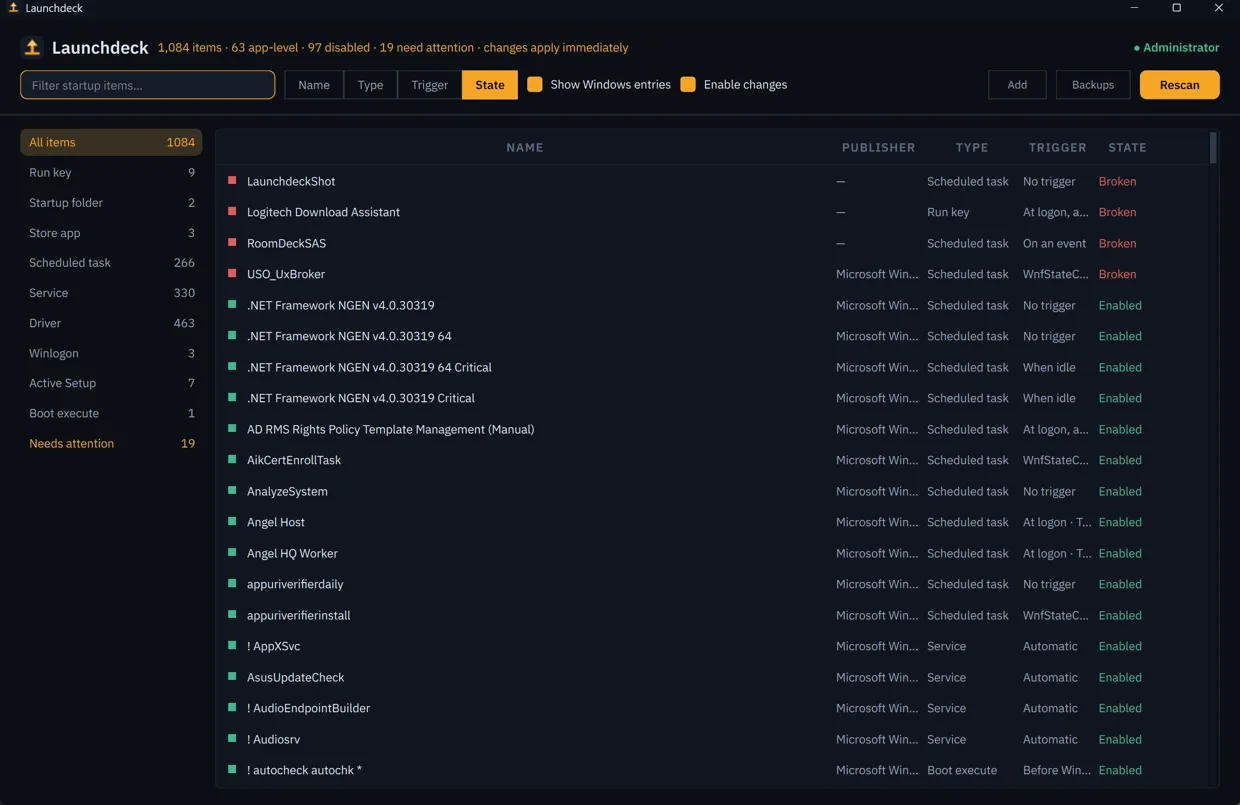
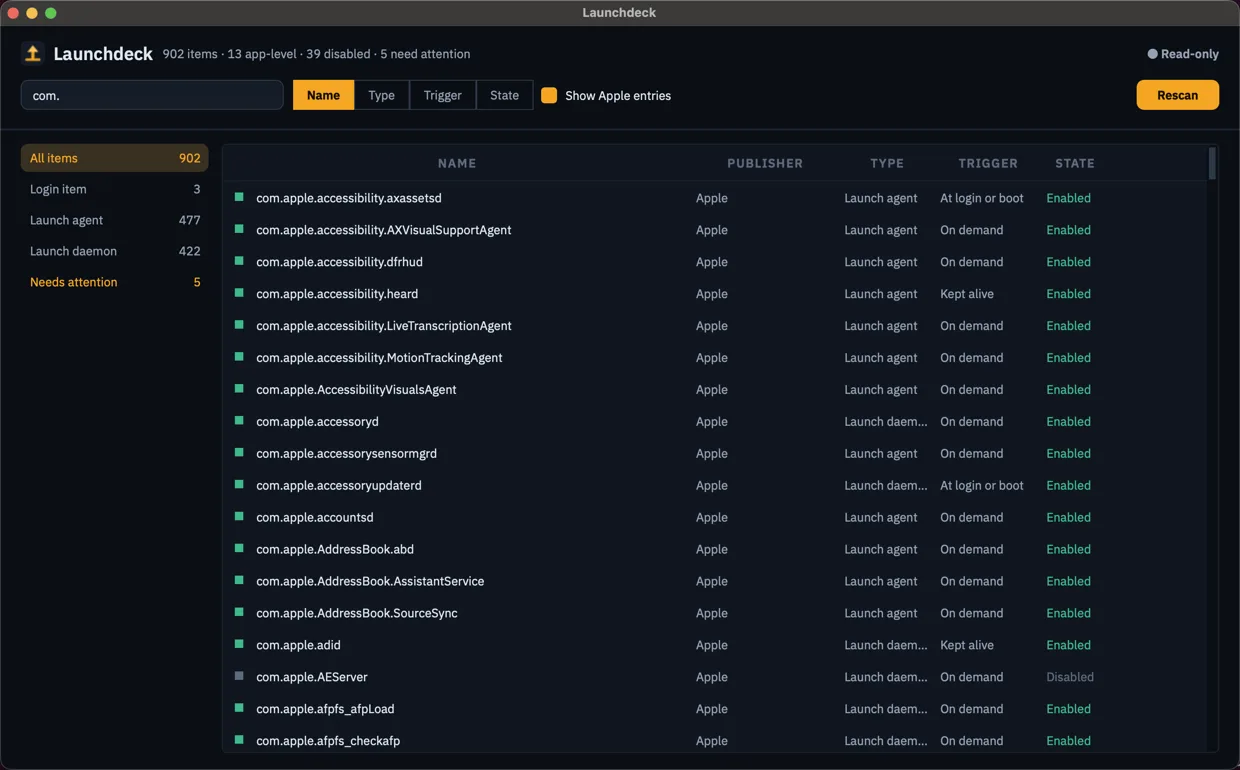
Launchdeck
Every place a startup item can hide — registry keys, startup folders, scheduled tasks, services, drivers, launch agents and daemons, login items, cron — in one window, on Windows and macOS. Task Manager shows a curated subset of two of those surfaces; I wanted the whole list, so I built it, and then released it with the code.
- Read-only until you deliberately arm it, and every delete writes a backup first — a startup manager can stop a machine booting, so it is built to make that hard
- One app for both platforms, with the surfaces each one actually has
- MIT licensed on GitHub — the code, not just a download
Bakeoff
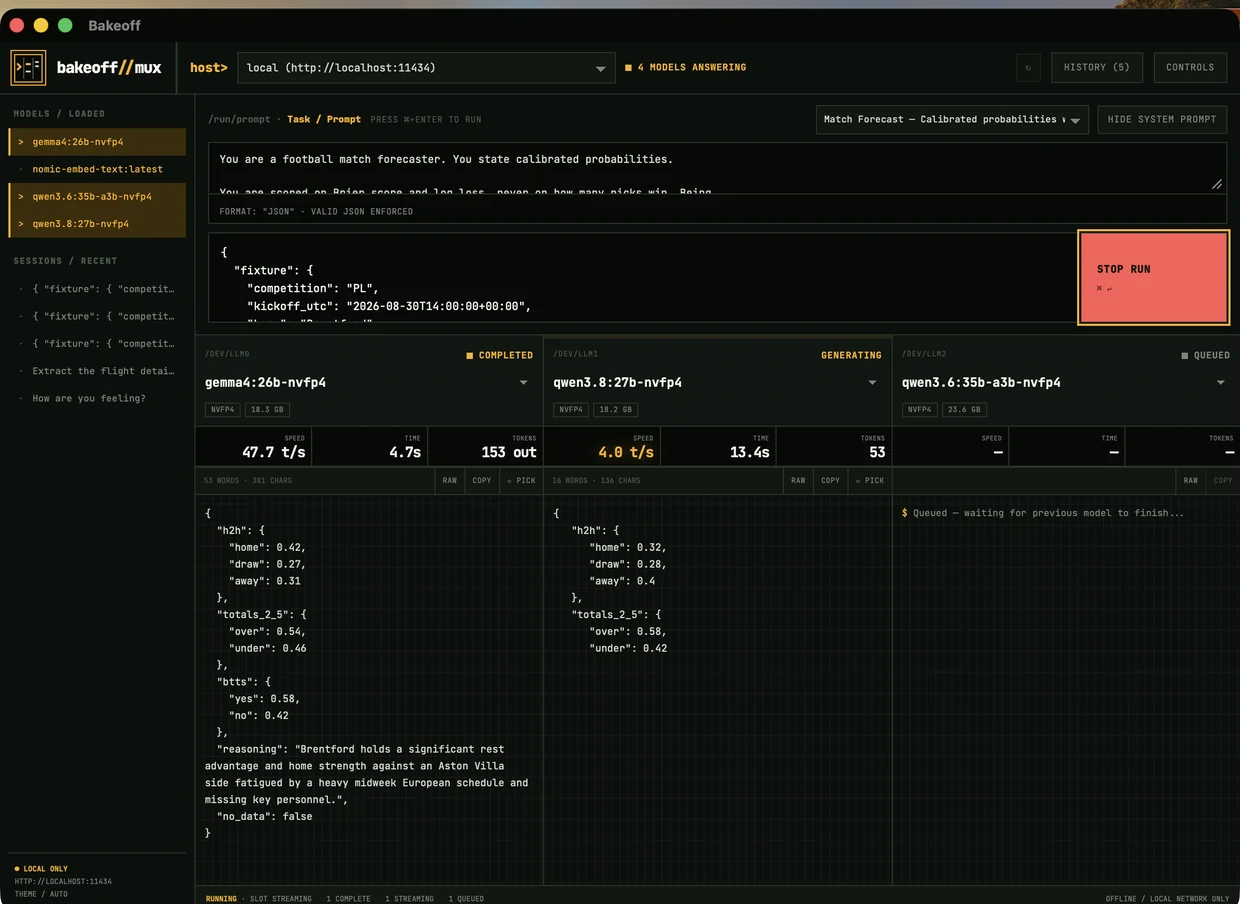
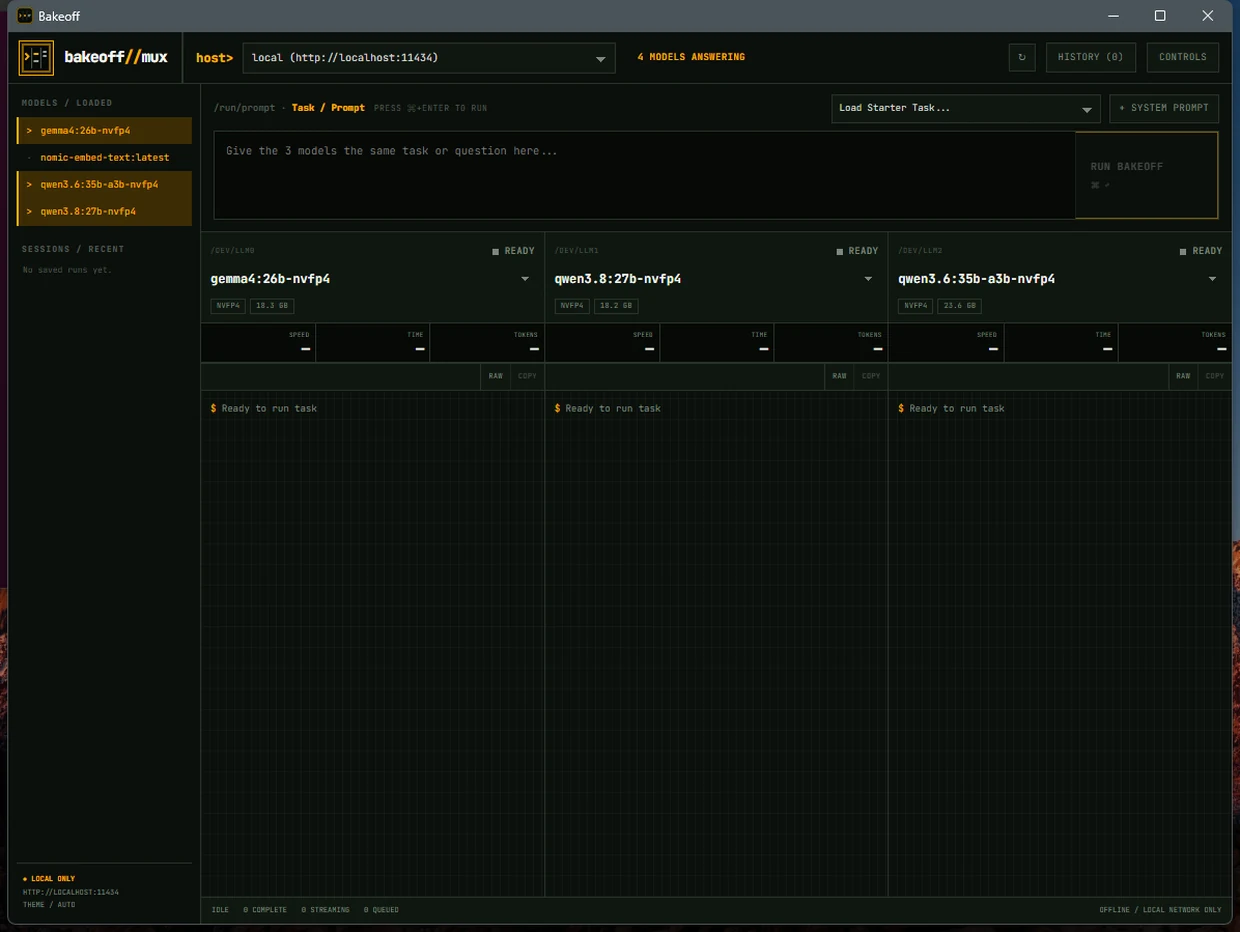
Give three local models the same task, watch their answers stream in three columns side by side, and judge them yourself — speed, quality and the shape of the output — with no black-box scorer in between. A benchmark tells you how a model does on someone else’s work; this tells you how it does on yours, on your own machine. Windows and macOS, and it runs entirely against your own Ollama.
- Runs against your own Ollama host — nothing leaves your machine, and there is no judge model marking the answers
- Live tokens-per-second, latency and token counts per model, run sequentially so no model is measured on a thrashing GPU
- MIT licensed on GitHub — the code, not just a download
Beamer
One keyboard and one mouse or trackpad drives a Mac and a Windows PC on the same network, in either direction. Push the pointer off the edge and it carries on onto the other machine, or double-tap a key to switch. The clipboard comes with it.
- Your own network, encrypted, nothing through a server
- Pairing is a six-digit code the PC shows you
- Free and MIT licensed, with the code on GitHub
Tabby
A window’s tabs, moved to and from a plain text file. Save every open tab as one URL per line, drop the file back later — on the same machine or another — and every link reopens. It also opens every URL in a block of selected text, and sorts a window’s tabs alphabetically by address.
- No account, no options page, no sync and no telemetry — nothing leaves the browser
- Free on the Chrome Web Store, because I chose to release it
- Live since 7 September 2026
TKVoiP
A telephony and call-handling interface built around one specific way of working, rather than bending that way of working around someone else’s software.
- Live status, built for glancing at rather than reading
- Talks directly to the telephony API
- Small, fast and single-purpose
Private infrastructure
The things nobody sees. Self-hosted services, backup pipelines that verify their own restores, energy and solar monitoring pulling live data off hardware and tariffs.
- Built for myself first, which is why I trust the patterns I sell
- Containers, scheduled jobs, monitoring and the recovery drills
- No client, no showreel — just the reason the rest of this works
What is not here
Websites, brand, search and IT support sit with Kalkman Digital. That is a deliberate line, not an oversight.
Some builds stay private. A system running inside one business, a tool made for one person: none of those are mine to put a link to.
Tell me what you are trying to build
A paragraph is plenty to start with. If it is the wrong job for me, or the wrong job for anyone, I will say so.
How a commission runs